
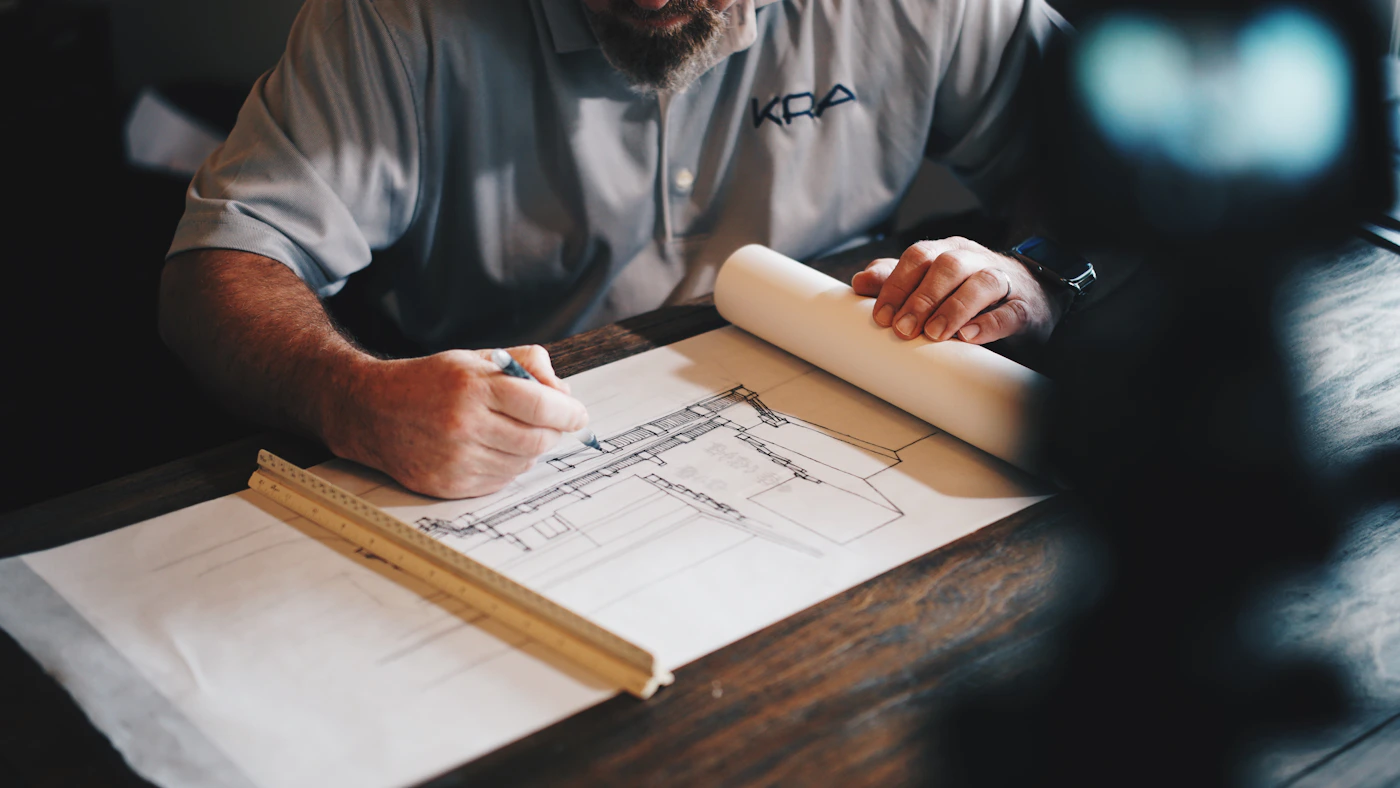
A project can look excellent on paper and still become a headache once construction begins. Drawings may be complete, budgets may have been prepared and contractors may be ready to mobilise, but without proper coordination, the gap between the plan and the finished project can become expensive.
In the Kenyan construction environment, projects have to navigate cost pressures, procurement, approvals, contractor performance, material availability, timelines and changing client requirements. Deliverability therefore starts long before the first foundation is excavated.
A genuinely deliverable project is one where scope, cost, programme, procurement, design and communication work together.
Start with a scope that everyone understands
Many project problems begin with an unclear scope.
If the client, architect, consultants and contractor have different interpretations of what is being delivered, the project can quickly accumulate variations, delays and disagreements.
A good project brief should establish what is being built, the required standards, functional requirements, expected quality and key deliverables.
The clearer the scope is at the beginning, the easier it is to manage changes later.
Cost needs to be managed throughout the project
A project budget is not something that should be prepared once and forgotten.
Material prices, labour costs, design changes, variations and unforeseen site conditions can all affect the final cost.
Effective project management therefore requires continuous cost monitoring and early identification of financial risks.
The objective is not simply to find the cheapest option. It is to achieve the required outcome while maintaining control over the available resources.
A programme needs to be realistic
Everyone likes a short construction programme. The problem starts when the programme exists mainly because someone wants an attractive completion date.
A realistic programme should consider procurement lead times, approvals, labour, sequencing, site conditions and dependencies between different activities.
If one activity depends on another being completed first, that relationship needs to be reflected in the programme.
A programme is useful when it helps the project team make decisions, not when it simply looks good in a presentation.
Procurement can make or break the timeline
Materials and specialist services need to arrive when the project needs them.
Delayed procurement can leave teams waiting on site, while rushed procurement can create quality and cost problems.
Good project management therefore involves identifying long-lead items early, coordinating suppliers and ensuring procurement decisions align with the construction programme.
Communication is not a side activity
Projects involve clients, architects, engineers, contractors, suppliers, authorities and other stakeholders.
When information does not move properly between these parties, problems tend to appear on site.
Regular meetings, clear reporting, documented instructions and timely decisions help keep everyone working from the same information.
Sometimes the most valuable project management activity is simply making sure the right person knows the right thing at the right time.
Site coordination turns plans into reality
Construction drawings are important, but the site is where those drawings meet actual conditions.
Regular site inspections can help identify quality issues, coordination problems, safety concerns and deviations before they become more difficult to correct.
Good site management is therefore not about standing around with a hard hat looking important. It is about actively monitoring progress, quality, coordination and compliance.
The goal is a project that can actually be delivered
A successful project is not simply one that has attractive drawings or a detailed budget.
It is one where the design can be built, the budget can support the scope, the programme reflects reality, procurement is coordinated and decisions are made when they are needed.
At Bifacrest, we approach project management as the process of bringing these moving parts together. The objective is simple: turn the client's brief into a project that can be delivered properly, monitored throughout construction and handed over with confidence.