
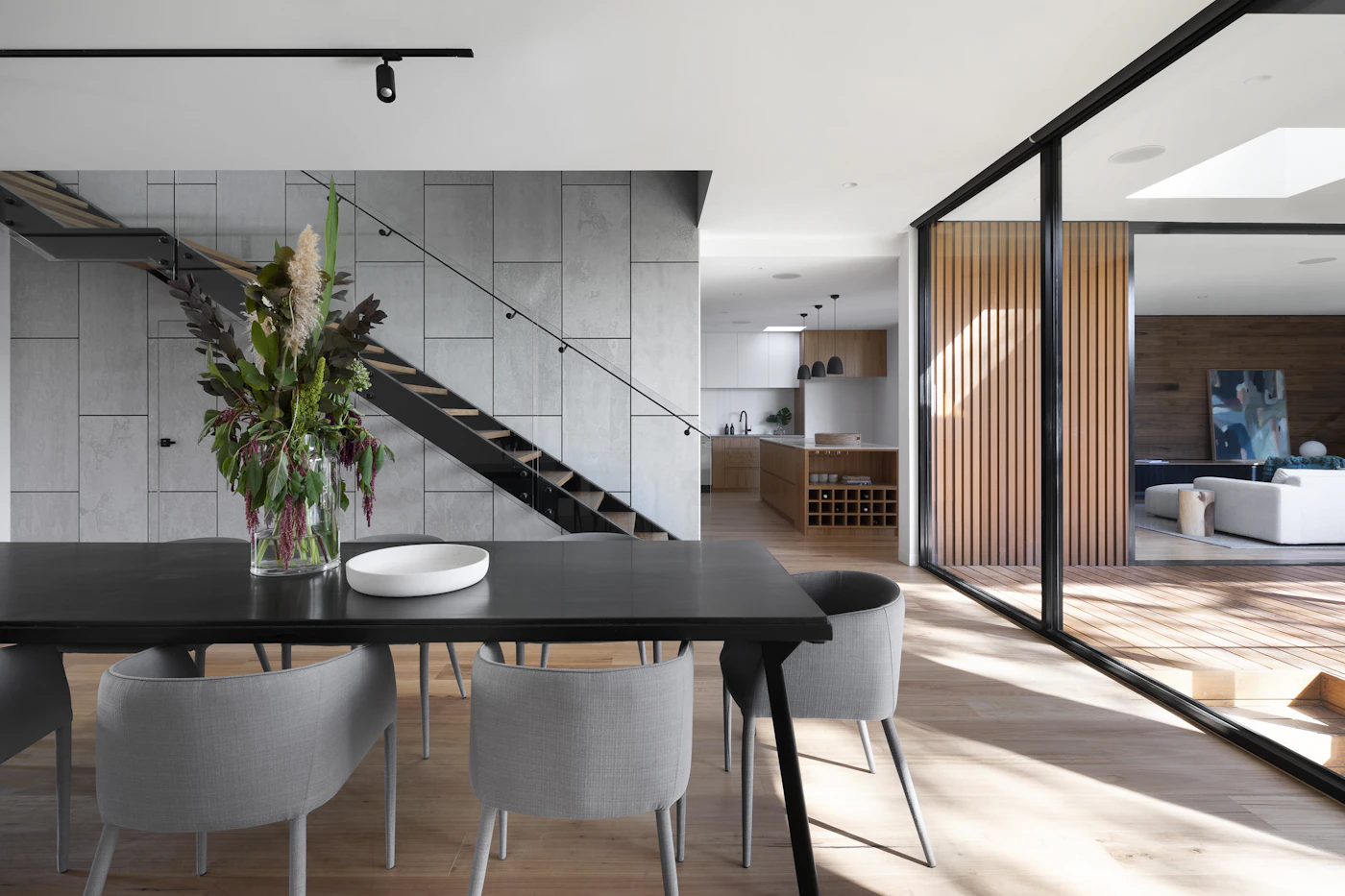
Architecture is often discussed in terms of appearance: elevations, finishes, materials and the overall visual character of a building. Those things matter, but good architecture should do more than look impressive on the day the project is completed.
A building is a long-term asset. Its design can influence how people use it, how efficiently it operates, how easily it can adapt and how attractive it remains to future occupants or buyers.
This is why architecture and property value are closely connected.
Good design starts with how the property will be used
A beautiful building that does not work for its users is still a poorly resolved building.
Residential developments need to consider privacy, circulation, natural light, ventilation, security and functionality. Commercial spaces need to respond to accessibility, flexibility, customer movement, services and operational requirements.
Understanding how people will actually use the property is therefore fundamental to the design process.
Design decisions have financial consequences
Architectural decisions can affect both construction and operating costs.
Building orientation, natural lighting, ventilation, material selection, spatial planning and building systems can all influence the long-term performance of a property.
The cheapest decision at construction stage is not always the cheapest decision over the life of the building.
Good design considers the relationship between initial cost, maintenance, durability and long-term use.
Adaptability protects long-term value
Property needs can change.
A residential development may eventually attract different tenant profiles. A commercial space may need to accommodate a different business. A family home may need to adapt as the household changes.
Flexible planning can make it easier for a building to respond to these changes without requiring major structural alterations.
Context matters
Architecture should respond to its location rather than simply copying a design from somewhere else.
Climate, site conditions, access, neighbouring properties, infrastructure and the surrounding urban environment can all influence how a building should be designed.
In Kenya, this also means thinking carefully about solar exposure, ventilation, rainfall, water, security and the realities of local construction and maintenance.
Architecture should support the investment
Ultimately, architecture is one part of a wider property strategy.
Good design can contribute to functionality, market appeal, tenant experience, adaptability and operational efficiency. These factors can influence how a property performs over time.
At Bifacrest, we believe architecture should not exist separately from the property's wider objectives. Design, project delivery and property management should work together to create buildings that are practical today and capable of retaining their relevance tomorrow.